
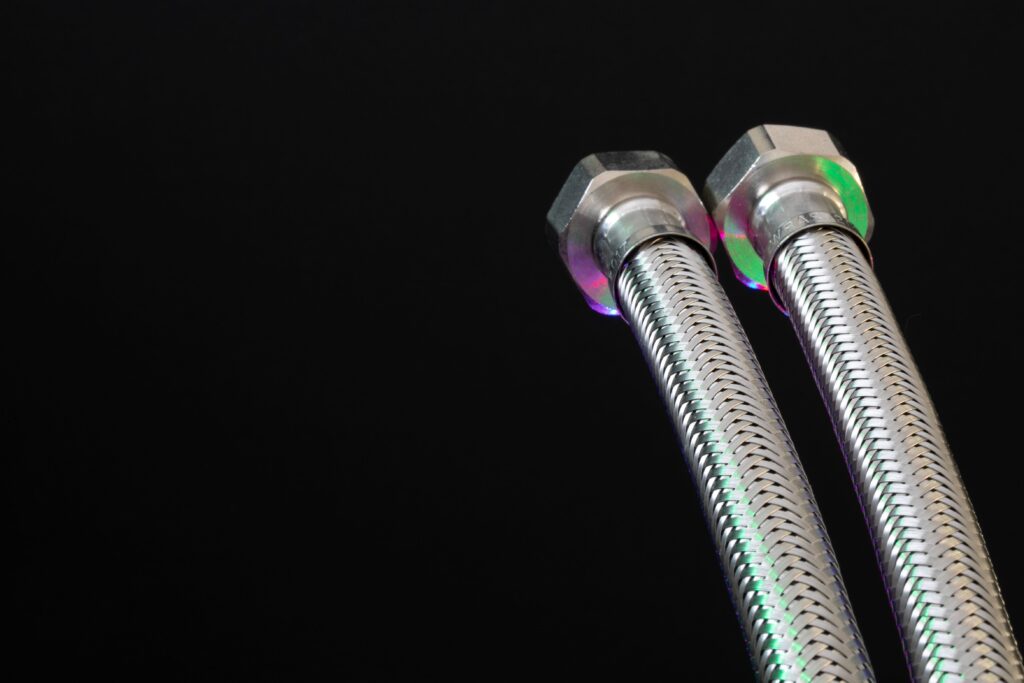
Picture this: you’re getting some equipment ready for another season, but notice that a hydraulic hose looks a little less than ready to go. It’s not leaking yet, but the outer cover looks worn, and there are some suspicious-looking spots near the fitting. Should you replace it right away or keep running it? Knowing what hose damage looks like can help you know when to replace an assembly before it turns into an unexpected breakdown. Let’s look at how long you can expect hydraulic hoses to last and some warning signs that it’s time for a replacement.
How Long Do Hydraulic Hoses Typically Last?
There is no universal number of years or operating hours after which hydraulic hoses need to be replaced. The amount of time between replacements depends largely on the operating environment and the type of work the hose performs. For example, a hose on equipment that only runs occasionally in a clean environment may need fewer replacements than one that flexes frequently on a piece of mobile equipment.
Since we can’t rely on a specific age to determine replacement timelines, it is important to inspect hydraulic hoses regularly, especially when equipment is heading into the busy season. Regular inspections and following equipment manufacturer guidance give you the chance to deal with questionable assemblies before they break down in the middle of the busy season.
What are the Signs a Hydraulic Hose Needs Replacing?
Some hose problems are obvious, like leaks. On the other hand, other problems can start small and get worse with continued use. Here are some of the most common signs that your hydraulic hose needs to be replaced:
- Cracks or splits in the outer cover
- Leaks
- Bulges, kinks, or flattened areas in the hose’s shape
- Damaged fittings (including cracks, corrosion, deformation, and leaks)
- Hose movement at the fitting
If something about the hose looks questionable, the safest course of action is to depressurize the equipment according to the proper procedure and inspect the hose more closely. In many cases, visible deterioration is enough of a reason to replace an assembly before an actual leak develops.
Why Do Hydraulic Hoses Fail Early?
Some hydraulic hose issues have nothing to do with age or usage. Improper routing is a common issue that can cause early hose failure. A hose that constantly rubs against a frame or bracket can cause premature wear. Other potential causes include using the wrong hose for the system’s pressure requirements, improper fittings, fluid incompatibility, or twisted hoses during installation.
If the same type of hose keeps failing in the same spot, replacing it again probably won’t solve the problem. Instead, look at why the failure occurred before installing another assembly.
Can a Damaged Hydraulic Hose Be Repaired?
Most of the time, damaged hose assemblies should be replaced instead of patched. Temporary fixes like tape or clamps do not restore the hose’s original construction or pressure capability. The safest approach to fixing a damaged hydraulic hose issue is to replace it with a new hose and fitting.
Before you take a damaged assembly apart, take note of the hose’s routing, length, fitting types and orientation, and any markings that are still visible on the hose. This information can help you pick a new hose and fitting that will work with your equipment.
Need a New Hydraulic Hose Before the Next Job?
If an inspection turns up a hose that you don’t trust, bring the old assembly to Dewald Fluid Power in Mishawaka. We stock hydraulic hoses and fittings and build custom hydraulic hose assemblies, often while you wait.
Not sure what kind of hose you need? Our team can help identify the hose size and fittings and build a replacement that fits your application. Stop by the Mishawaka counter, give us a call, or contact Dewald Fluid Power to get your equipment ready before a worn hose becomes expensive downtime.