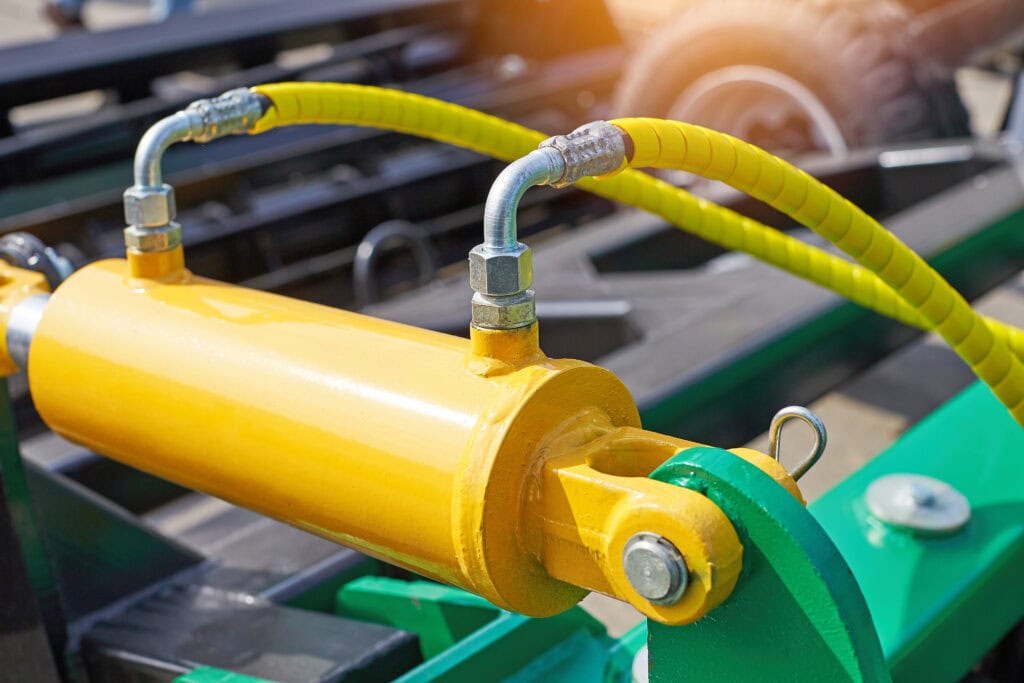
Replacing a hydraulic cylinder sounds simple until you start looking at the old one. You know it needs to lift, push, or hold a load just like the original, but now you’re staring at terms like bore, stroke, rod diameter, and mounting style. If even one of those measurements is off, the replacement may not fit or perform the way you expect. The good news is that you don’t need to be a hydraulic engineer to understand the basics. Whether you’re replacing a failed cylinder, designing a new piece of equipment, or trying to match an older component, knowing a few key specifications makes the process much easier. Let’s break down the four measurements that matter most and explain why each one is important.
What Is the Bore Size?
The bore is the inside diameter of the cylinder barrel. It is one of the biggest factors in determining how much force the cylinder can produce. Generally speaking, a larger bore allows the cylinder to generate more pushing force at the same hydraulic pressure. That’s why bore size is usually selected based on the amount of force the application requires.
Keep in mind that simply choosing the largest available bore is rarely the right answer. The cylinder needs to match both the machine and the hydraulic system supplying it.
How Is Stroke Measured?
Stroke is the distance the rod travels between its fully retracted and fully extended positions. Think of it as the cylinder’s range of motion. If the stroke is too short, the equipment won’t complete its intended movement. If it’s too long, the cylinder may overextend or interfere with surrounding components.
When measuring stroke:
- Measure the distance the rod actually travels.
- Don’t confuse stroke with the cylinder’s overall closed length.
- Verify the measurement before ordering a replacement.
For existing equipment, matching the original stroke length is usually the safest approach.
Why Does Rod Diameter Matter?
The rod is the chrome-plated shaft that extends from the cylinder to move the load. A rod that is too small may flex under heavy loads, while a larger rod offers greater resistance to bending and buckling.
Applications that experience heavy loads or long strokes often require larger rod diameters to maintain reliable performance.
What Mounting Style Does the Cylinder Use?
Even if every other specification is correct, the cylinder still has to attach properly to the equipment. Mounting style determines how the cylinder is installed and how force is transferred during operation. Common mounting styles include:
- Clevis mounts
- Cross tube mounts
- Trunnion mounts
- Flange mounts
- Foot mounts
When replacing a cylinder, matching the mounting configuration is just as important as matching the hydraulic specifications.
What Other Information Should You Gather?
While bore, stroke, rod diameter, and mounting style are the primary specifications, they are not the only details that matter. Other helpful information includes:
- Operating pressure
- Port size and thread type
- Retracted and extended length
- Seal requirements
- Equipment manufacturer
- Part number, if available
If you’re replacing an older cylinder, bringing the original component or several clear photos can often make identification much easier.
Can You Replace an Older or Obsolete Hydraulic Cylinder?
Not every cylinder is still in production, especially on older equipment. Fortunately, that doesn’t necessarily mean you’re out of options.
An experienced hydraulic supplier can often identify the original specifications and recommend a comparable replacement part. Additionally, a custom cylinder solution is a great option when a direct replacement isn’t available.
Need Help Finding the Right Hydraulic Cylinder?
Dewald Fluid Power stocks hydraulic cylinders from trusted manufacturers, provides same-business-day quotes on most cylinder requests, and helps customers identify replacement components for a wide range of equipment.
If a standard replacement isn’t available, our team can also help with custom hydraulic solutions and application support. Stop by our Mishawaka counter, give us a call, or request a quote, and we’ll help you find the right cylinder for your equipment.